02 Detailed Breakdown & Practical Advice
Comparing the Four Fundamental Wax Varieties
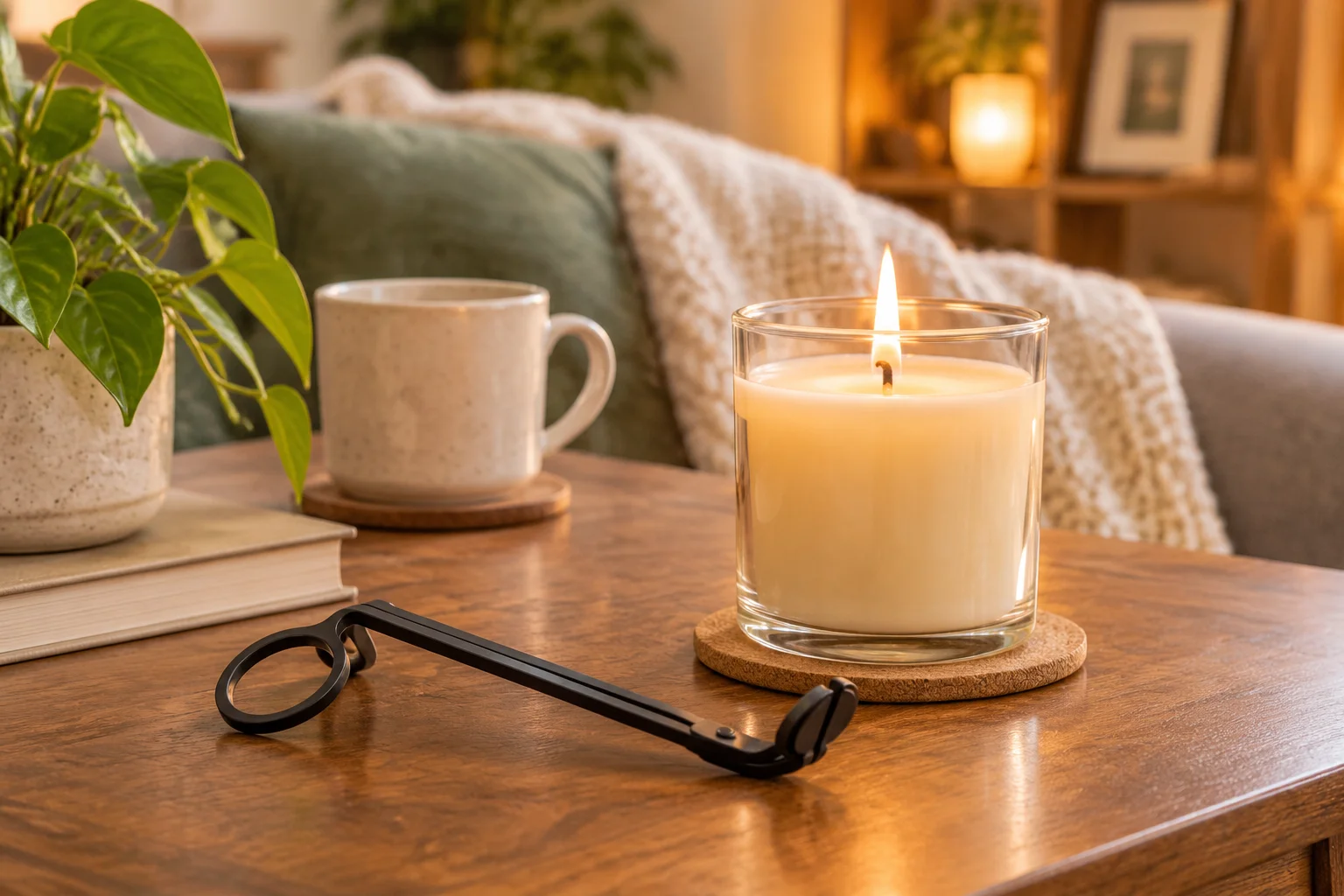
Soy wax remains a premier choice for artisan candle making due to its steady burn rate and dense molecular composition derived from soybean oil. It cools with a smooth matte finish and releases delicate scent profiles over prolonged burning sessions without overpowering compact rooms.
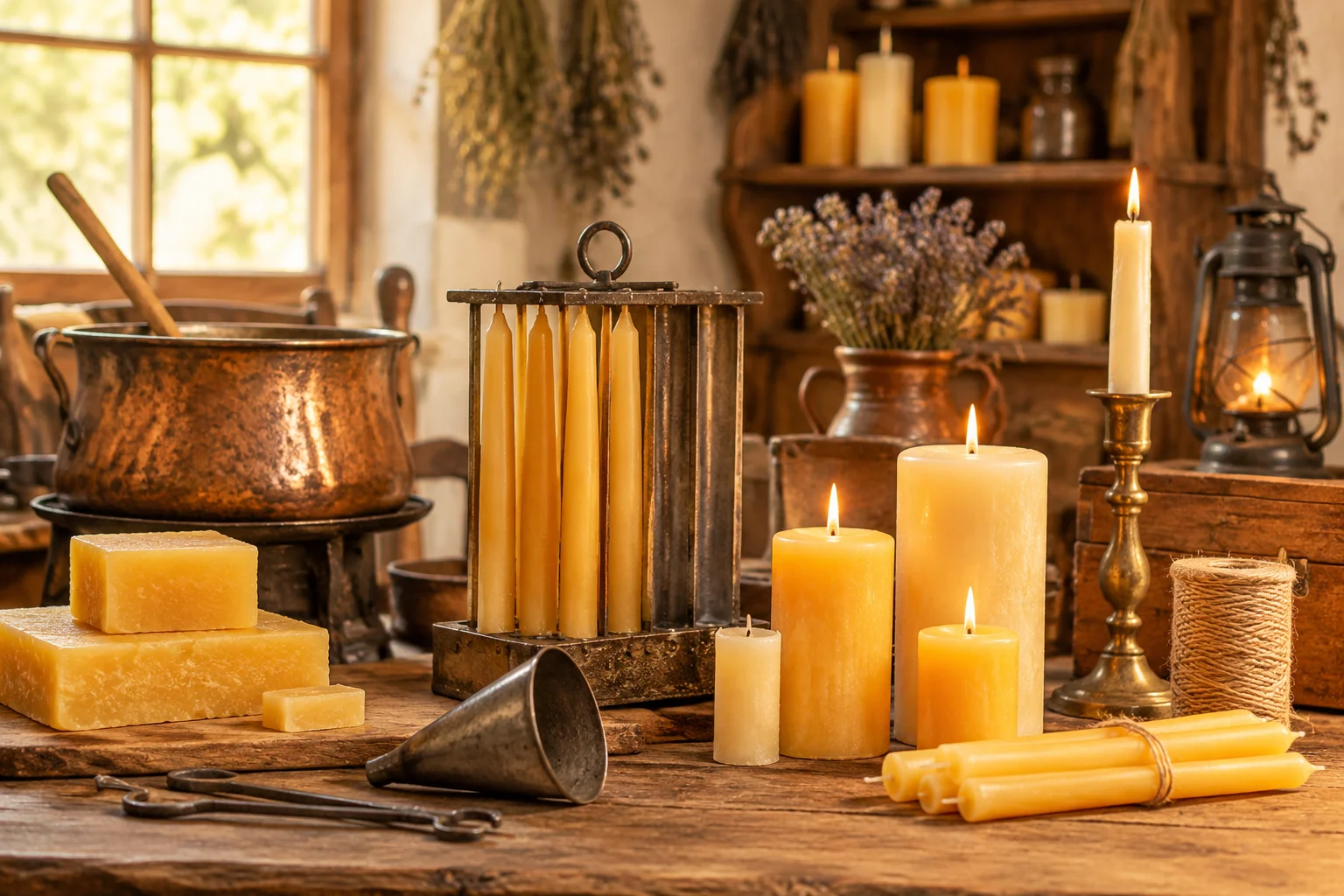
Beeswax offers a remarkably dense structure with an elevated melting threshold of around 62°C to 65°C. Its amber tone and subtle honeyed undertone emit a warm, golden glow, creating an intimate evening setting with negligible smoke and exceptional longevity.
Selecting the right wax is the foundational decision in candle making: melt point, wick compatibility, and container adhesion all depend on this single choice.
— James Miller, Master Chandler at Plus Candles
Coconut Wax and Specialized Blends
Coconut wax boasts a velvety texture and an exceptionally low melting point, allowing it to hold generous fragrance concentrations and yield an immediate scent distribution upon lighting:
- Soy Wax: Ideal for glass containers, offering a clean, slow burn and even melting pool across extended sessions.
- Beeswax: Supreme choice for standalone tapers and pillars thanks to structural rigidity and minimal drip behavior.
- Coconut Wax: Outstanding scent release and glass adhesion, frequently blended with soy to elevate aromatic intensity.
- Paraffin Wax: High clarity and vibrant dye absorption, suited for vivid decorative pieces requiring sharp color distinction.
For home crafters and candle lovers alike, balancing melting point with container size guarantees clean combustion and prevents unwanted tunneling or wick drowning.
Practical Step-by-Step Wax Selection Guide
Follow this structured four-phase process to determine the exact wax variety needed for your specific vessel, space, and aesthetic intent.
Identify Container Style
Determine whether you are pouring into a glass jar, ceramic pot, or silicone freestanding mold. Container pours demand soft, high-adhesion waxes like soy or coconut, whereas freestanding pillars require firm waxes like beeswax.
Evaluate Room Size & Scent Needs
Assess the airflow and cubic dimensions of the target room. Large living spaces benefit from coconut blends that release fragrance rapidly, whereas bedrooms favor subtle, mild soy aromas.
Match Wick Thickness
Pair your wax density with appropriate wick braiding. Dense beeswax demands thick cotton wicks or boosted wooden wicks to generate sufficient heat for a full-diameter melt pool.
Monitor Pour & Cure Conditions
Heat your wax slowly to its recommended pouring window (typically 55°C to 65°C for botanical bases) and permit the candle to cure undisturbed in a draft-free space for at least 7 days.
Frequently Asked Questions About Candle Waxes
Yes, blending soy wax with coconut wax is one of the most effective techniques to improve jar adhesion, soften surface cracks, and boost aromatic diffusion without sacrificing burn longevity.
Beeswax has a denser molecular composition and a higher melting point (around 62°C to 65°C). Because the flame requires more thermal energy to liquefy the wax, it consumes fuel at a substantially slower pace.
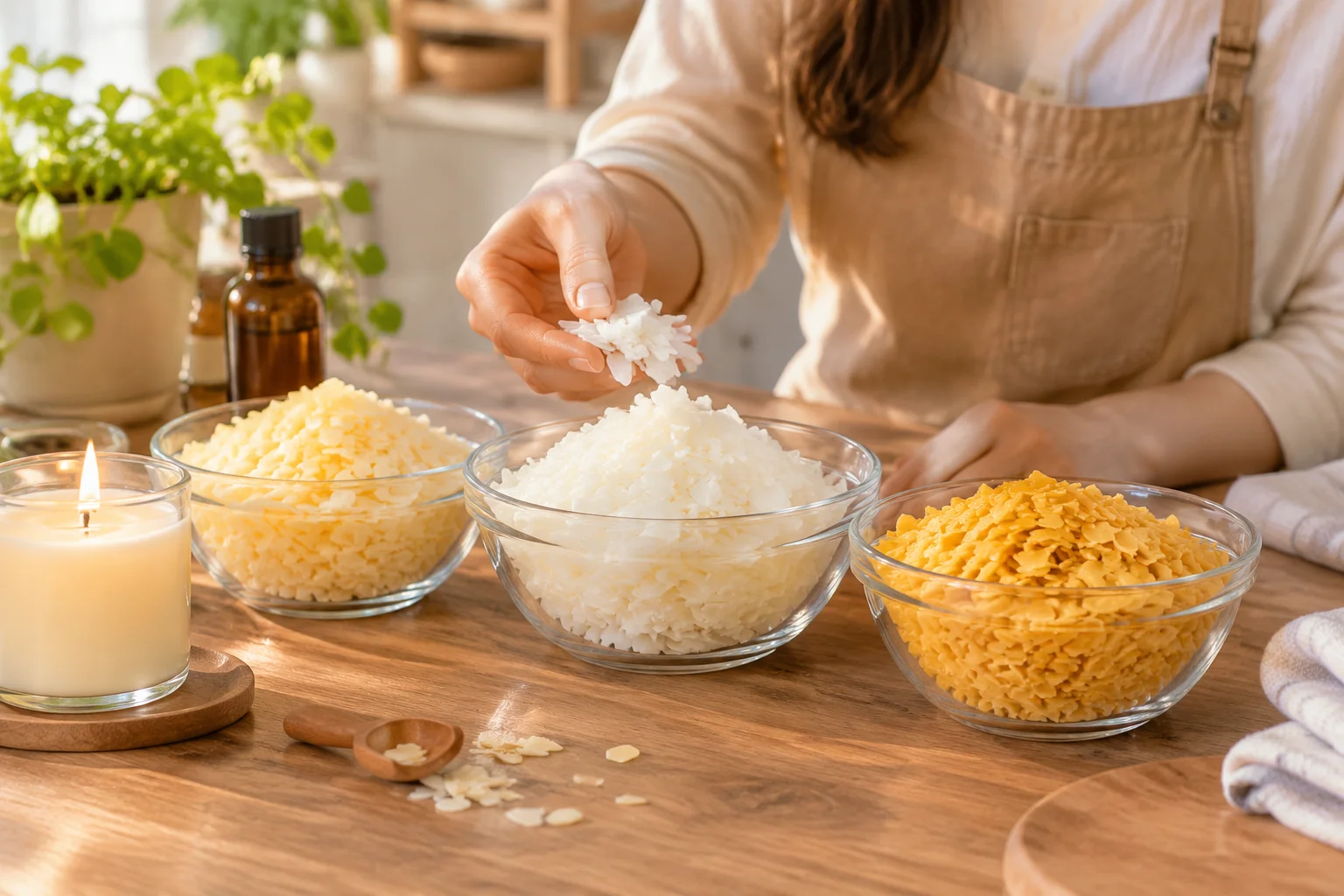
Soy wax flakes are exceptionally forgiving for home makers because they melt evenly at moderate temperatures, clean easily from tools with warm soapy water, and hold fragrance oils reliably.